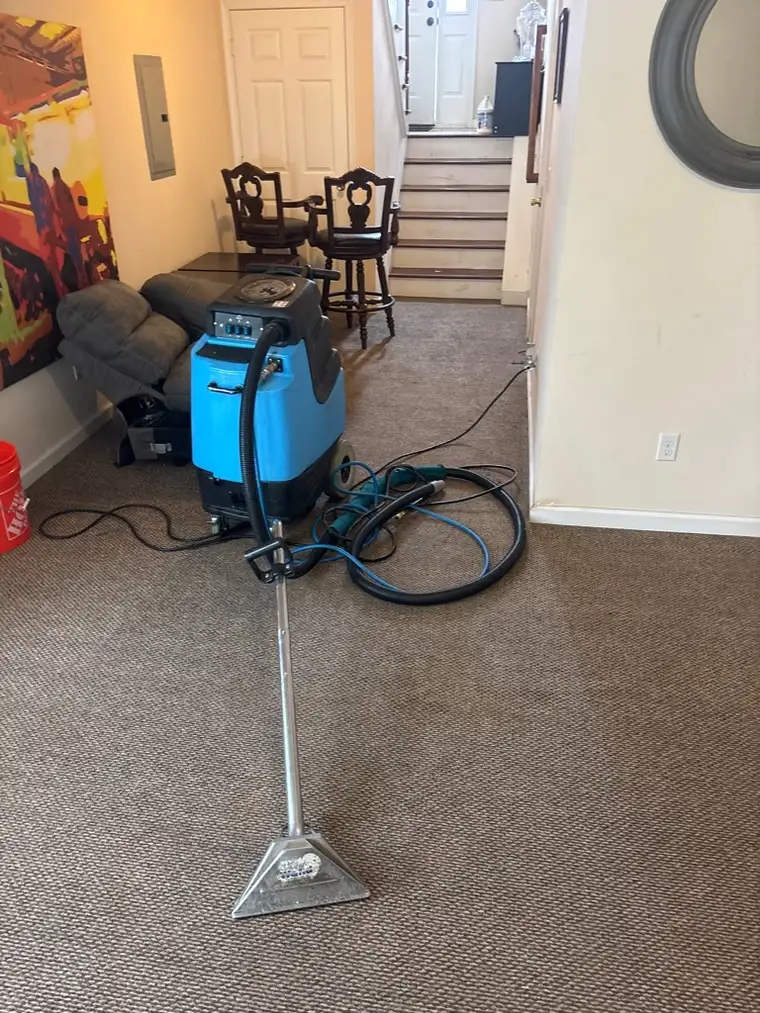
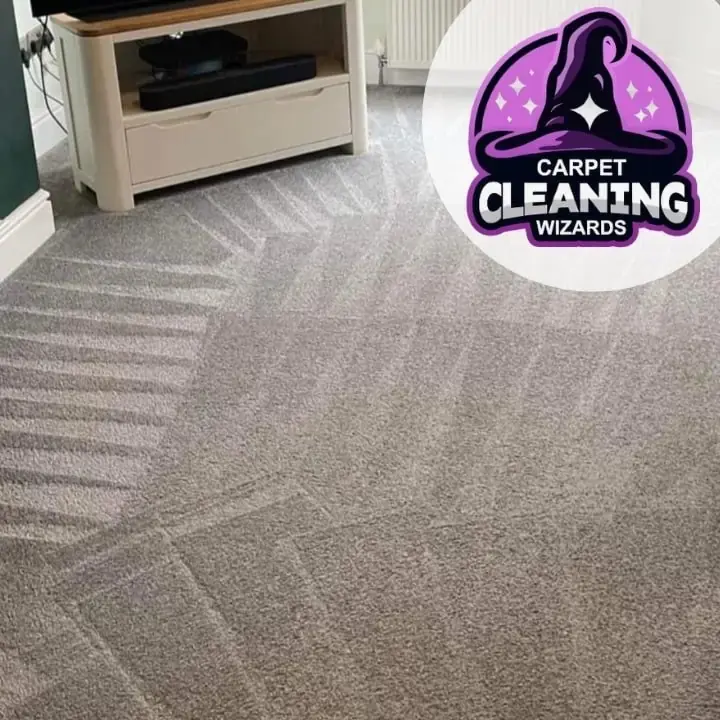
A gray traffic lane forms from two things working together, grit tracked in on shoes and socks, and the body oil that transfers off skin with every step. Grit alone scratches the surface of each fiber strand enough to dull how it reflects light, the same way a fine abrasive dulls a polished surface after enough light passes. Body oil is what locks that grit against the fiber instead of letting it stay loose enough for a normal vacuum pass to lift. Once oil and grit bond together at the base of the pile, the lane looks gray in almost any light, not just under a lamp at the wrong angle.
What is happening inside the fiber
Every footstep presses grit down past the tips of the fiber toward the base, where the pile meets the backing. Nylon and polyester fiber hold up well against years of foot traffic, but holding up is not the same as staying unmarked. Thousands of steps a year leave tiny scratches across the surface of each strand, and scratched fiber scatters light differently than smooth fiber does. Pull back a piece of furniture that has sat on the same spot for years and compare the carpet underneath to the lane next to it. If the color underneath still looks close to new, the lane is carrying soil that can be cleaned out rather than fiber that has worn down for good.
Why a vacuum or rental machine only reaches the top layer
A vacuum does its job well on loose soil sitting on top of the pile and in the first few millimeters of fiber. What it was never built to do is break the bond between oil and grit once that bond has set down near the base. Rental carpet machines run into a similar limit from a different direction. Most rental units heat water to a lower temperature and pull less vacuum lift than a truck mounted hot water extraction system, so they wet the surface of the pile without fully breaking loose what has worked down into the base.
How agitation and heat reach the base of the pile
Two steps do the work a vacuum alone cannot manage. A pre-spray applied before cleaning starts loosens the grip oil has on grit, giving the solution time to break down what has bonded to the fiber. Mechanical agitation, either from a groomer or a counter rotating brush, works that solution down past the fiber tips to the base of the pile instead of leaving it sitting on top. Hot water extraction follows that step, rinsing the loosened oil and grit up and out through the same pass that applies the water. That combination, loosen, work it down, rinse it out, is what pulls color back into a lane that looked gray going in.
Prevention that holds up over a full season
- Change vacuum direction week to week. Running the same pattern every time trains the pile to lay flat in one direction, and flattened pile shows soil faster than upright pile does.
- Set a runner or area rug over the heaviest lanes, hallways, stairs and the path in front of a sofa, so grit contacts a surface that can be shaken out or washed instead of the carpet itself.
- Vacuum traffic lanes more often than low use rooms. Lifting loose grit before body oil has a chance to bond it to the fiber keeps the cleaning job smaller at every scheduled visit.
- Schedule a cleaning pass before the gray sets rather than after. Soil that has had months to bond to the fiber base takes more agitation and heat to loosen than soil caught early.
Soiling or permanent wear, telling the two apart
| Sign | What it usually means |
|---|---|
| Lane looks gray but pile still stands upright when fingers are run against the grain | Soiling bonded to the fiber, likely to clean out with agitation and heat |
| Pile is flattened and does not spring back after a few minutes | Fiber has been crushed by weight and traffic, cleaning will not restore the texture |
| Color underneath a moved piece of furniture matches the lane nearby | The lane is carrying soil rather than worn fiber, a good candidate for a full clean |
| Fiber feels thin or frayed under a close look, almost see through in spots | Years of abrasion have worn the fiber down, and no cleaning step reverses that |
A technician can usually tell which situation applies during a walk through, before any cleaning starts. That matters for setting expectations, since a lane carrying bonded soil responds well to a proper hot water extraction pass, while a lane with worn fiber will look cleaner after that same pass without looking new. Our piece on what shapes a cleaning estimate covers how a technician accounts for lane condition when building the number.
How often traffic lanes need attention
Households with kids, pets or a lot of foot traffic through the same few rooms tend to need lane cleaning on a shorter cycle than quieter households. Our guide on cleaning frequency by household walks through how daily use changes that schedule.
When to call us
We clean traffic lanes, hallways and full rooms in Bridgewater, Hillsborough and Ridgewood, along with the rest of Somerset and Bergen counties, and we check lane condition before quoting the work so expectations match what the fiber can give back.
If a hallway or stairway lane has turned gray, describe how heavily that spot gets used and ask for a written estimate. We will look at whether the fiber is holding soil or showing years of wear before the work begins.